Understanding Pop Reports: How Scarcity Drives Prices
Master the metrics that matter. Learn why PSA 10 population counts are just the beginning, and how to calculate true scarcity that predicts price movements before they happen.
March 2, 2026
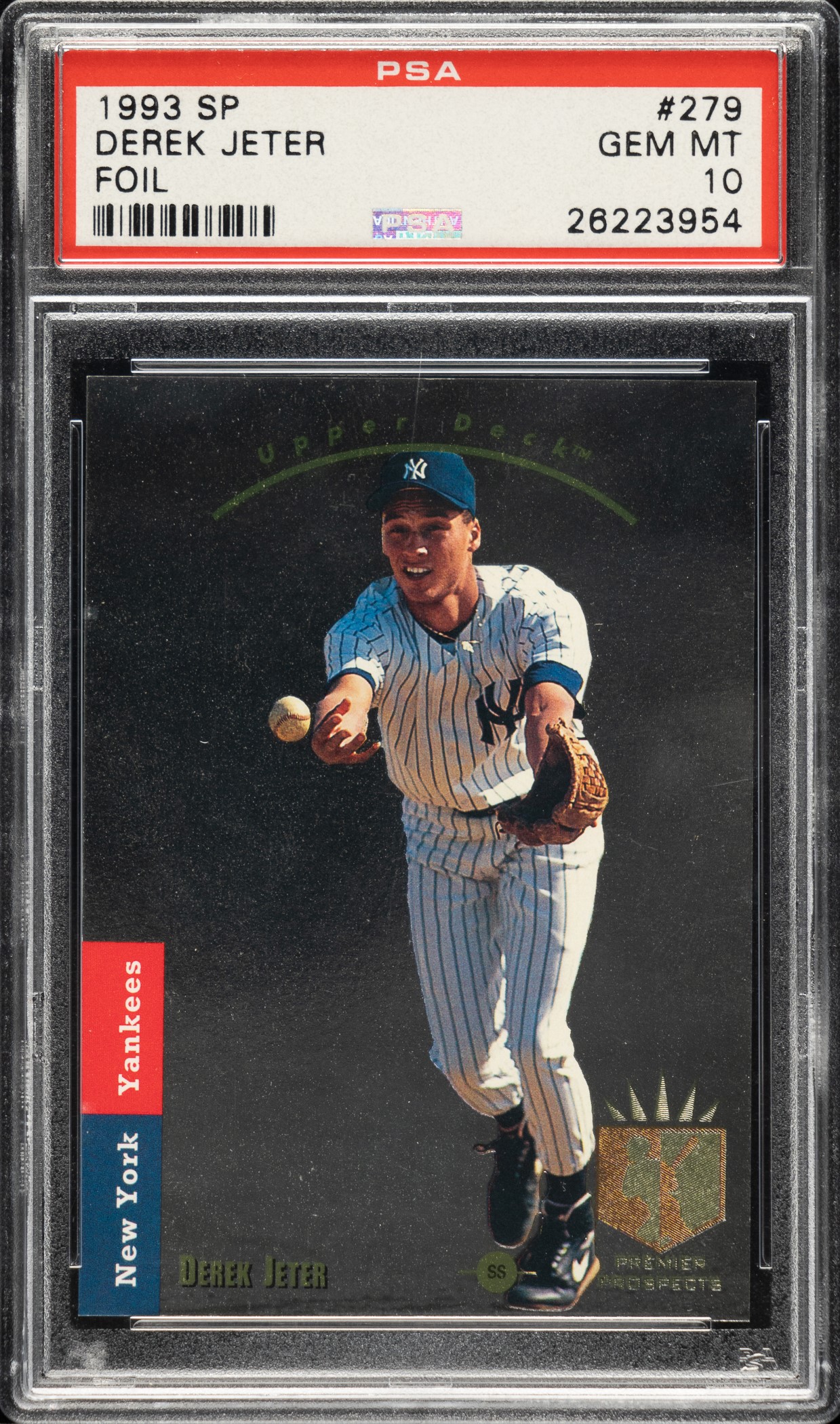
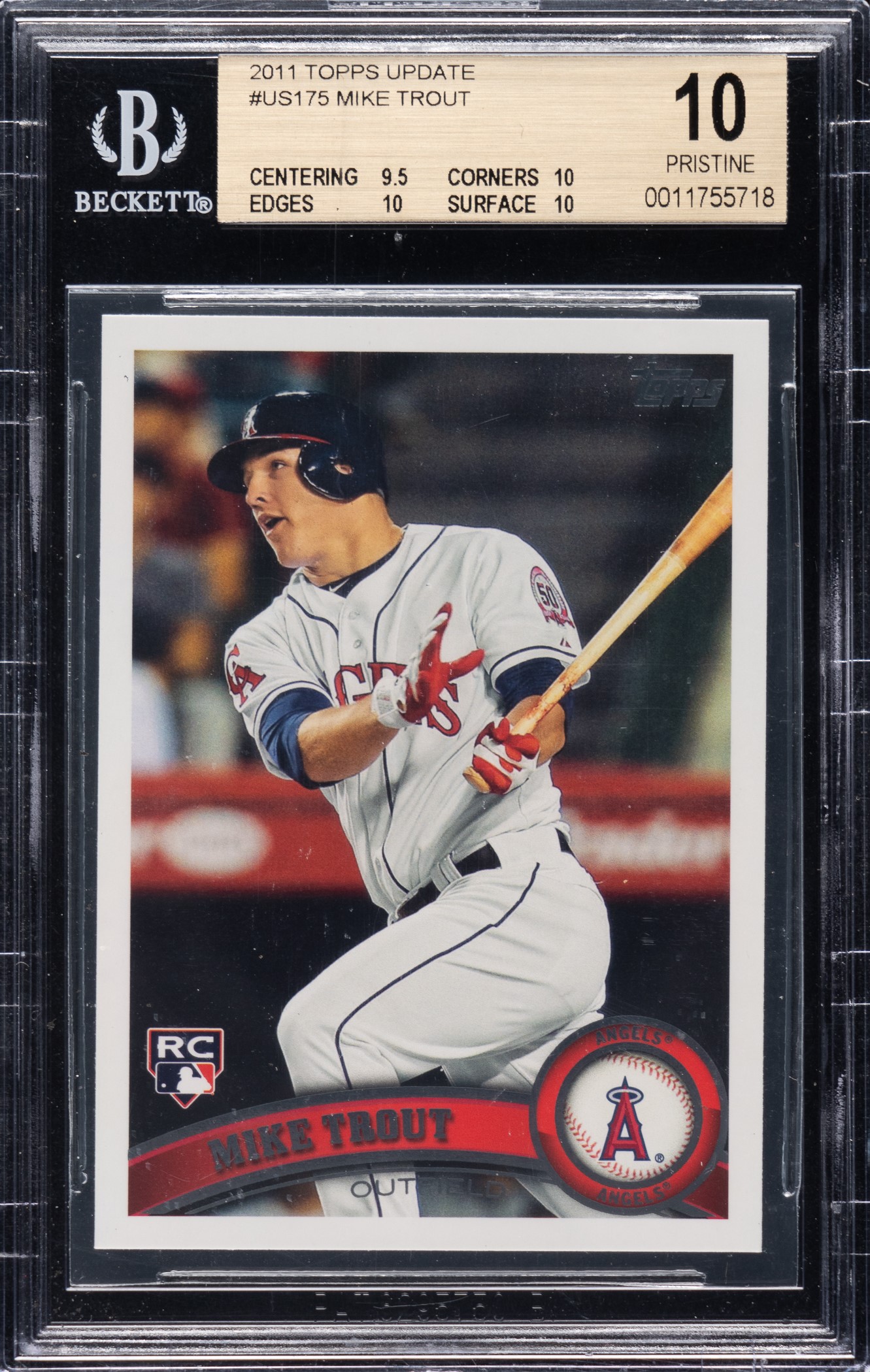
The Population Report Paradox: A 2011 Mike Trout Update has 5,823 PSA 10s. A 1993 SP Derek Jeter has 180. Which is scarcer? Most collectors immediately say the Jeter, but they're only seeing half the picture. True scarcity isn't just about the PSA 10 count; it's about gem rates, grade distribution, era context, and velocity of new submissions.
The Scarcity Curve: Population vs Price
The relationship between PSA 10 population and price follows a power law: scarcity drives exponential premiums. But the curve has distinct tiers where pricing behavior changes dramatically.
| Scarcity Tier | PSA 10 Pop | Price Behavior | Strategy |
|---|---|---|---|
| Ultra Rare | < 100 | Exponential premiums; auction-only liquidity | Wealth preservation; generational hold |
| Scarce | 100 - 5,000 | Strong premiums; supply-constrained growth | Growth investing; scarcity narrative |
| Common | 5,000+ | Premiums compress; demand-driven pricing | Value hunting; PSA 9 focus |
The Five Metrics That Matter
Professional investors look beyond simple PSA 10 counts. These five metrics reveal true scarcity:
Gem Rate
The percentage of submitted cards that achieve PSA 10. Lower = harder to grade = true scarcity. 1993 SP Jeter: 3.2% vs 2023 Topps: 45%
Grade Ratio
How many PSA 9s exist per PSA 10. Higher ratios indicate greater scarcity at the top. 1952 Mantle: 14:1 vs 2011 Trout: 2.2:1
Submission Velocity
Rate of new PSA 10s entering market. Declining velocity suggests approaching saturation. Rising velocity = avoid (oversupply coming)
Grade Distribution
Cards concentrated in high grades have different scarcity dynamics than those with bell curve distributions. Skewed distributions = condition scarcity
The Scarcity Score Formula
Scarcity Score = (1 / PSA 10 Count) × (PSA 9 Ratio) × (Gem Rate) × 1000Example Comparison:
Interpretation: Higher scores = scarcer. Jeter is 4.5x scarcer than Trout by this metric, despite similar PSA 10 prices.
Gem Rate Evolution: The Era Effect
Gem rates (percentage of submissions achieving PSA 10) vary dramatically by era. This "grading difficulty" is often more important than total print run in determining scarcity.
| Era | Avg Gem Rate | Why So Low/High? | Investment Implication |
|---|---|---|---|
| Vintage (Pre-1980) | 1-5% | Age, handling, primitive printing | PSA 10s genuinely rare; exponential premiums justified |
| Junk Wax (1986-93) | 3-15% | Poor QC, thin stock, foil issues | Condition scarcity narrative; PSA 10 premiums sustainable |
| Modern (2010+) | 30-45% | Better cardstock, collector awareness | PSA 10s abundant; premiums compressing to 200% or less |
The Pop Report Checklist
Before You Buy: 5-Minute Analysis
- 1Check PSA 10 Count: Under 500 = scarce; 5,000+ = common; verify on PSA website (not eBay listings)
- 2Calculate Gem Rate: PSA 10 ÷ Total Graded. Under 10% = condition scarcity; over 35% = abundant
- 3Analyze Grade Ratio: PSA 9 count ÷ PSA 10 count. Over 5:1 = true scarcity; under 2:1 = common
- 4Check Submission Velocity: Has PSA 10 count grown 20%+ in 6 months? If yes, wait for saturation
- 5Compare to Peers: Is this card scarcer than same-era, same-player alternatives? If not, why the premium?
- • Ignoring set populations (1,000 in 10,000-card set ≠ 1,000 in 100,000-card set)
- • Static analysis (pop reports are snapshots, check historical growth)
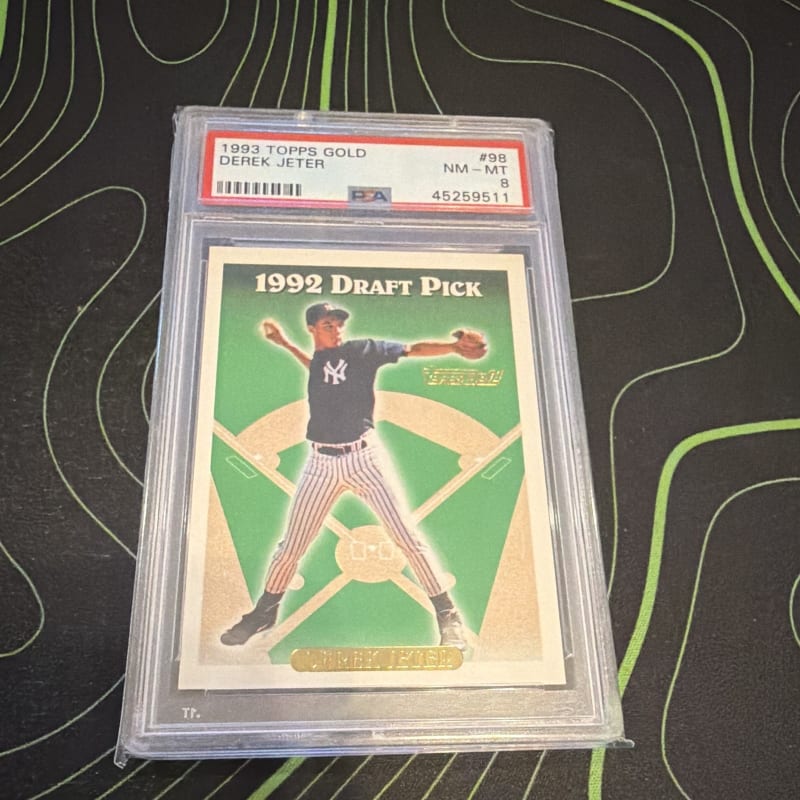
- • Variant blindness (1989 Griffey base vs Tiffany: 4,100 vs 180 PSA 10s)
- • Cross-grader ignorance (SGC populations matter too)
The Verdict: Scarcity Is Multidimensional
The PSA 10 population count is just the entry fee to understanding scarcity. True scarcity analysis requires gem rates, grade ratios, submission velocity, and era context. A 1993 SP Jeter with 180 PSA 10s and a 3.2% gem rate is fundamentally scarcer than a 2023 rookie with 180 PSA 10s and a 45% gem rate, even if the population count is identical.
Smart collectors use pop reports to find market inefficiencies: cards with low gem rates that the market hasn't recognized, or high-population cards where the grade distribution creates unexpected scarcity. The pop report is a tool, not a verdict: master it, and you'll spot opportunities before the broader market catches on.
Remember: scarcity is only valuable if demand exists. The sweet spot is demand-constrained scarcity, cards where low supply meets high, sustained demand. That's where pop report analysis meets market intelligence, and that's where fortunes are made.
Master Pop Report Analysis
See sold comps in action: every card on SluggerData can show verified eBay sold evidence when matching sales are available. Population data appears only on card pages where the catalog has a supported population count.
Browse Cards & Pop ReportsAvailable population data • Verified sold prices • Free to browse
Featured on SluggerData
Verified sold-price comps and graded listings for the cards and players in this article. Population data is shown only when it is available in the catalog.