Pre-War Baseball Cards: Grading Challenges and Opportunities
The ultimate guide to collecting T206, Goudey, and caramel cards. Navigate authentication pitfalls and uncover undervalued gems from baseball's golden age.
March 2, 2026
The Authentication Minefield: Pre-war baseball cards (1909-1945) represent the holy grail of sports collecting, but they're also the most dangerous market for newcomers. With reprints dating back to the 1960s, sophisticated counterfeits, and grading challenges unique to century-old cardboard, collectors need specialized knowledge. This guide covers authentication, grading nuances, and the hidden opportunities others miss.
The Pre-War Landscape: Sets That Matter
Not all pre-war cards are created equal. Five sets dominate the market, each with unique characteristics, scarcity profiles, and grading challenges.
| Set | Year | Cards | Key Challenge |
|---|---|---|---|
| T206 (White Border) | 1909-1911 | 524 | Piedmont vs. Sweet Caporal backs |
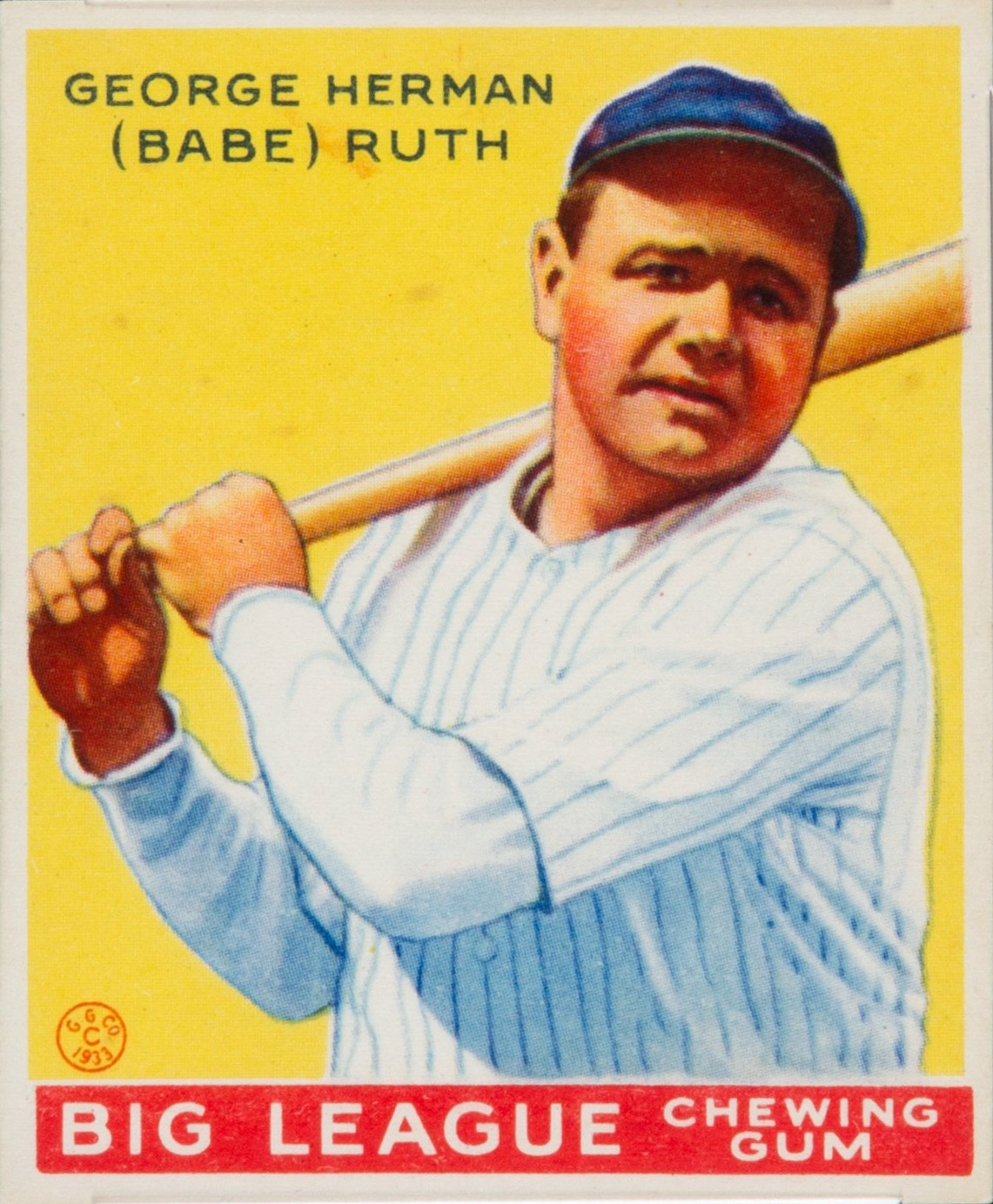
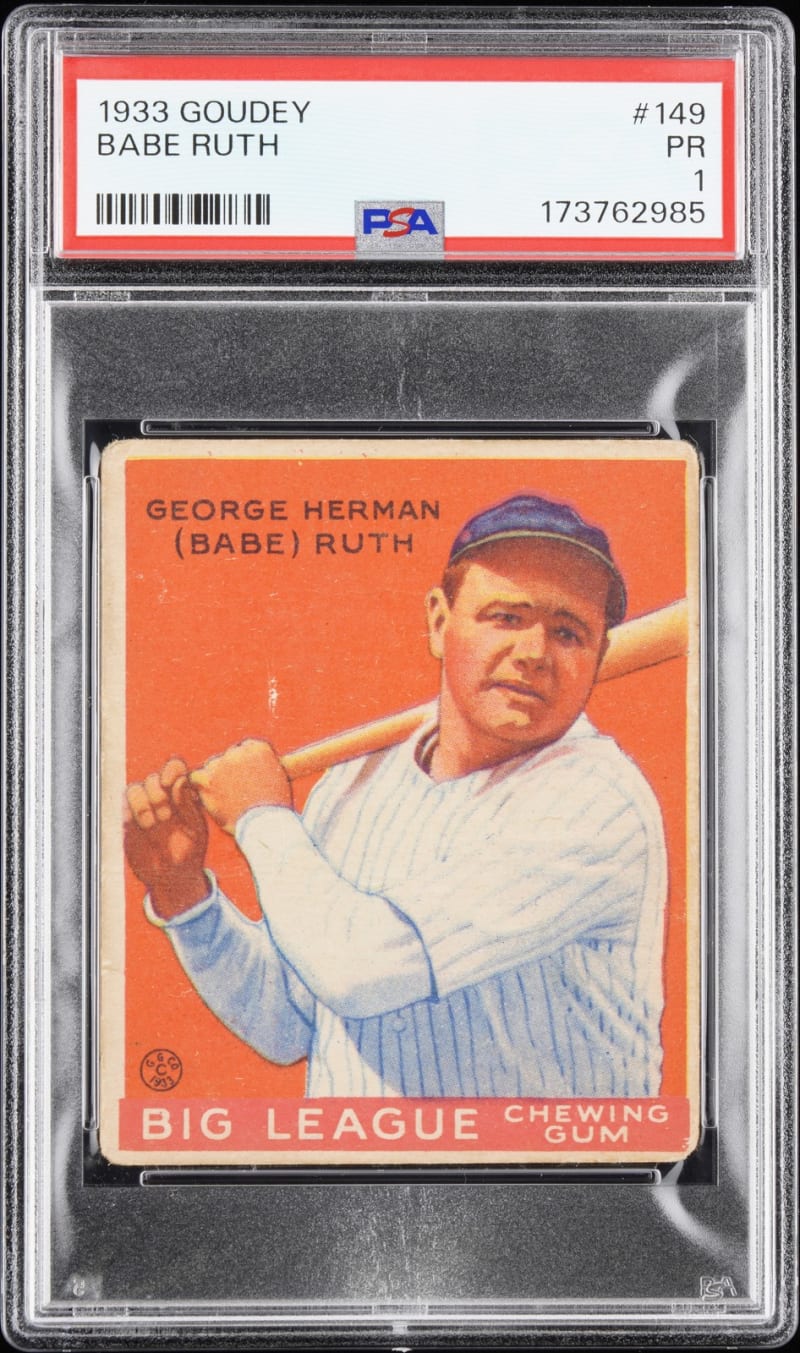
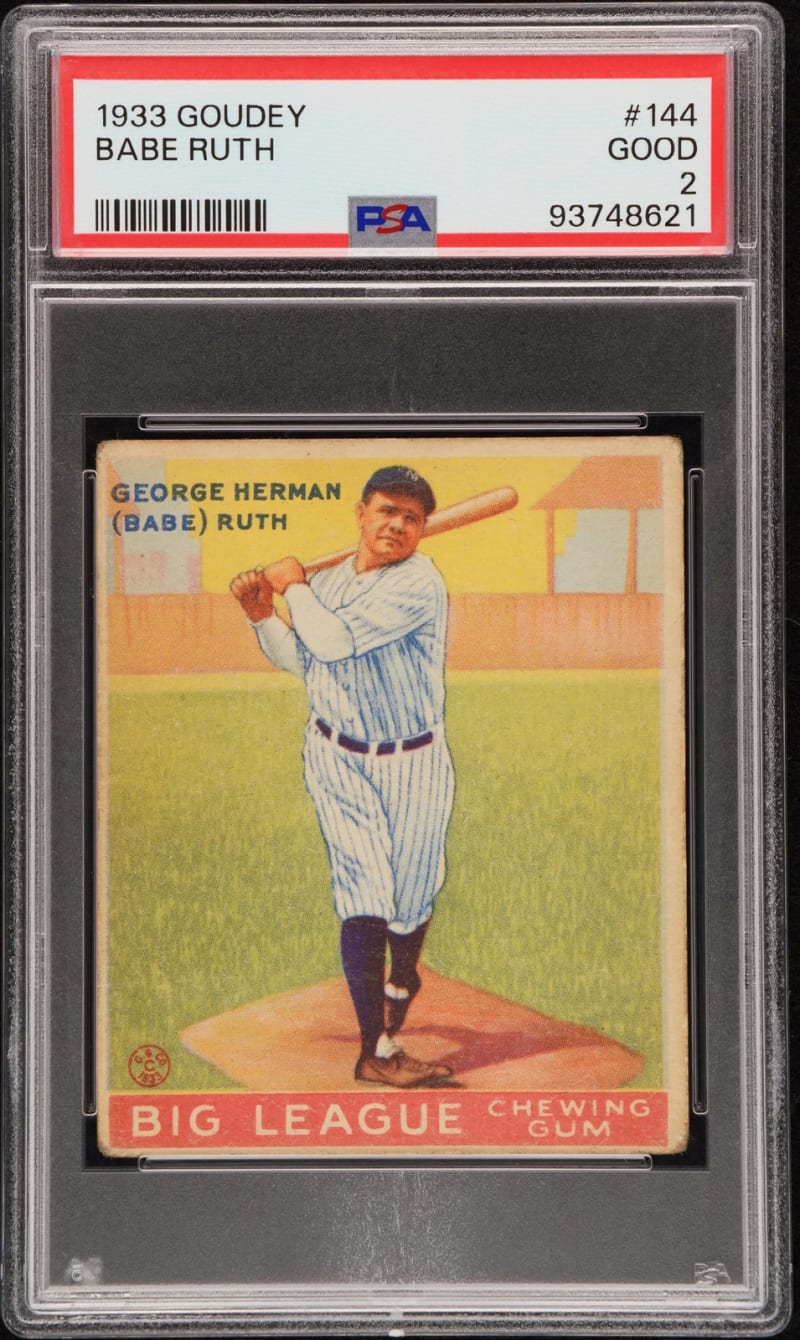
| 1933 Goudey | 1933 | 240 | Color lithography wear |
| 1914/15 Cracker Jack | 1914-15 | 264 | Caramel staining endemic |
| 1909 E90 (American Caramel) | 1909 | 100 | Extreme scarcity |
| 1915 Sporting News | 1915 | 208 | Babe Ruth rookie (M101-4/5) |
Authentication: Spotting Fakes
An estimated 40% of "raw" (ungraded) pre-war cards sold online are reprints or counterfeits. Here's how to protect yourself.
🚩 Red Flag #1: Wrong Card Stock
Pre-war cards used specific cardstock that's difficult to replicate:
- • T206: Grayish, rough-textured stock (not white or glossy)
- • Goudey: Thicker, cream-colored stock with distinct feel
- • Cracker Jack: Thin, almost translucent caramel card stock
🚩 Red Flag #2: Modern Printing
Lithography vs. modern printing under magnification:
- • Pre-war: Dot patterns visible under 10x loupe
- • Reprints: Solid ink or modern halftone patterns
- • Check borders: Authentic cards have slightly imperfect edges
🚩 Red Flag #3: Too Good to Be True
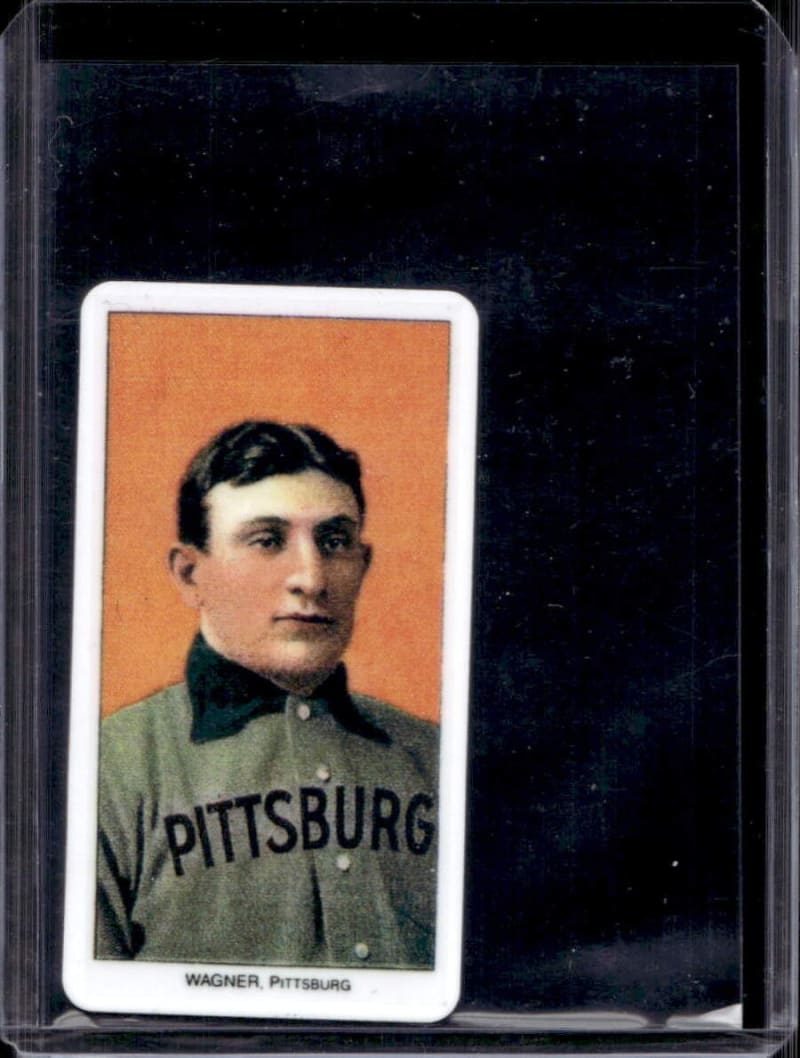
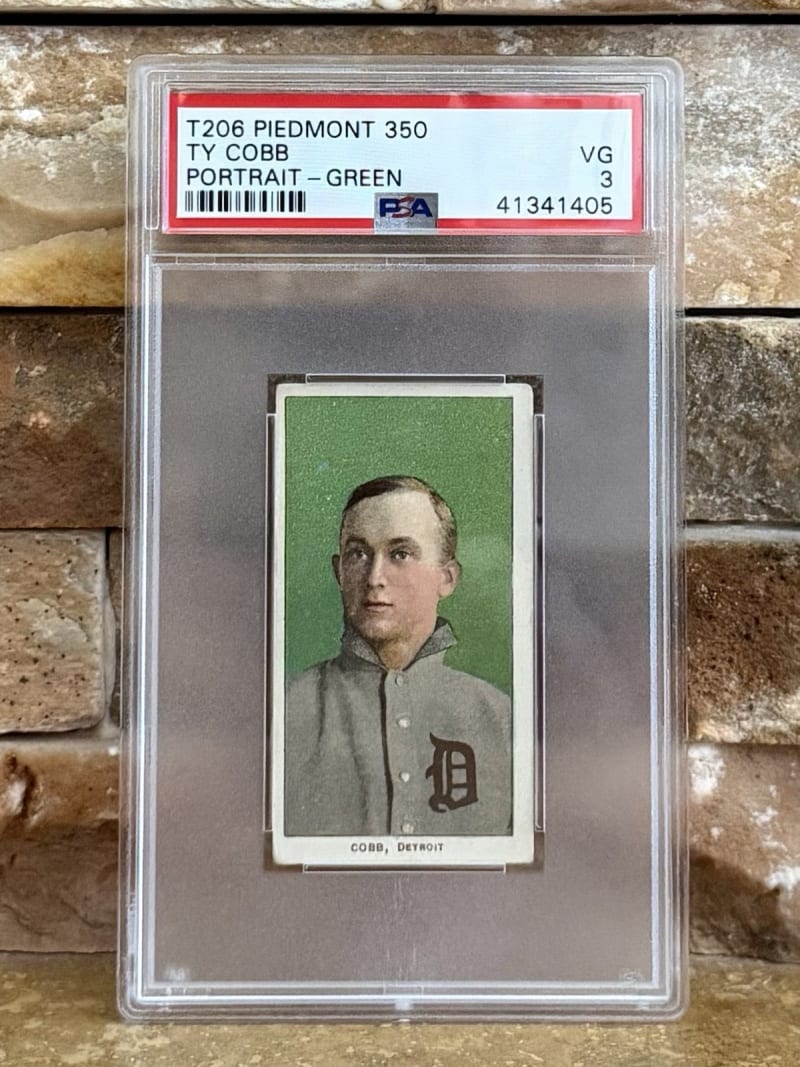
A T206 Wagner for under $1,000 is fake. A PSA 6 Cobb for $200 is fake. Pre-war Hall of Famers in any grade command premiums. "Barn finds" and "estate sales" are favorite cover stories for counterfeiters.
✅ Authentication Best Practices
- • PSA/BGS/SGC graded only (no exceptions)
- • Established dealers (20+ years)
- • Major auction houses (Heritage, Goldin, REA)
- • Collector forums with references
- • eBay sellers with <100 feedback
- • "Ungraded gem mint" claims
- • Stock photos (demand actual card images)
- • Sellers refusing escrow for high-value
Grading Challenges: What PSA Looks For
Pre-war cards face unique grading hurdles that don't apply to modern cards. Understanding these helps set realistic expectations.
Foxing
Brown spots caused by humidity and oxidation. Common on T206s stored in attics/basements.
Grade Impact: -2 to -4 pointsCaramel Stains
Endemic on E90 caramel cards and Cracker Jacks. Sugar seeped through paper wrappers.
Grade Impact: -1 to -3 pointsTrimmed Edges
Common issue: cards were often trimmed to fit albums or remove damage. PSA flags as "A" (Altered).
Grade Impact: Authentic onlyColor Touching
Vintage repair attempts using markers or paint to cover wear. Detected under UV light and magnification.
Grade Impact: Authentic onlyHidden Opportunities: Undervalued Segments
While Wagner, Cobb, and Ruth command headlines, smart collectors target overlooked segments with strong fundamentals.
| Opportunity | Entry Price | Why Undervalued? |
|---|---|---|
| T206 Commons (PSA 4-6) | $50-150 | 100+ years old, historically significant, affordable history |
| 1933 Goudey Non-HOF | $200-500 | Beautiful color art, iconic set, overlooked vs. Ruth/Gehrig |
| 1914 Cracker Jack (PSA 3-5) | $300-800 | Scarcer than T206, lower population, strong eye appeal |
| E90 Caramel (Any Grade) | $150-400 | Extremely low population, underappreciated caramel issue |
💎 The Smart Play: T206 Commons
For $50-150, you can own a PSA-graded card from 1909-1911, older than any living person. These cards:
- • Represent the dawn of modern baseball cards
- • Have documented scarcity (PSA pop reports)
- • Are liquid (easy to sell when graded)
- • Offer tangible connection to the deadball era
Start Your Pre-War Collection
Browse authenticated, graded pre-war cards on Slugger. Every card verified, every grade guaranteed.
Explore Pre-War CardsPSA/BGS/SGC graded only • No raw cards • Authentication guaranteed
Frequently Asked Questions
Why are pre-war baseball cards harder to grade?+
Pre-war cards (T206 and other tobacco and gum issues) were hand-cut and printed with century-old methods, so soft corners, off-center cuts, surface wrinkles, and toning are the norm rather than the exception. Authenticity is also a bigger concern given trimming and reprints, which is why most pre-war cards grade low and a genuine high-grade example is exceptionally scarce.
Which grader is best for pre-war cards?+
SGC is the most popular choice for pre-war and vintage today: collectors like its black-bordered holder for displaying old cards and its strong reputation on tobacco-era authentication. PSA remains widely accepted with the deepest comp history. Both are trusted; choose by turnaround, cost, and the look you prefer.
Are low-grade pre-war cards worth grading?+
Often yes. For scarce pre-war cards, even a PSA/SGC 1 or 2 carries real value because it confirms authenticity and locks the card into a tamper-evident holder, and the population at every grade is small. Authentication matters more than the number on the label for cards from this era.
Featured on SluggerData
Verified sold-price comps and graded listings for the cards and players in this article. Population data is shown only when it is available in the catalog.