2026 PSA Price Guide Changes: What Moved and Why
PSA's February 2026 guide refresh shifted comps on 11,000+ baseball cards. Here's the data on which categories rose, which fell, and how to read the signal under the noise.
May 7, 2026
The Headline: PSA's 2026 price guide is the first since the post-pandemic correction stabilized. Vintage finally caught a tailwind, modern continued its slow bleed, and one specific era, junk wax PSA 10s, quietly became the asset class of the year.
What Actually Changed
The February 2026 update covered 11,247 baseball entries. Most movement clustered in three buckets:
| Era | Median Δ | PSA 10 Δ | Driver |
|---|---|---|---|
| Pre-War (1909-1945) | +11.4% | +14.1% | Heritage spring auction comps |
| Post-War (1948-1979) | +5.2% | +7.8% | HOF rookie demand |
| Junk Wax (1986-1993) | +0.4% | +18.2% | Pop scarcity at top grade |
| Late 90s/2000s | +1.1% | +4.5% | Mixed, refractor-driven |
| Modern (2020-2022) | -6.8% | -9.3% | Print-run overhang |
The Junk Wax PSA 10 Story
Counterintuitive but consistent: the era with the largest print runs in baseball card history is producing the year's best PSA 10 returns. The mechanism is structural.
Set print runs from 1988-1991 averaged 5-8 billion cards per brand-year. PSA 10 populations on most stars in those sets remain under 200, often under 50. That ratio (infinite supply at raw, near-zero supply at gem mint) creates a price wedge that's actually widening as more cards get pulled from boxes and submitted.
📈 Standout 2026 PSA 10 Movers
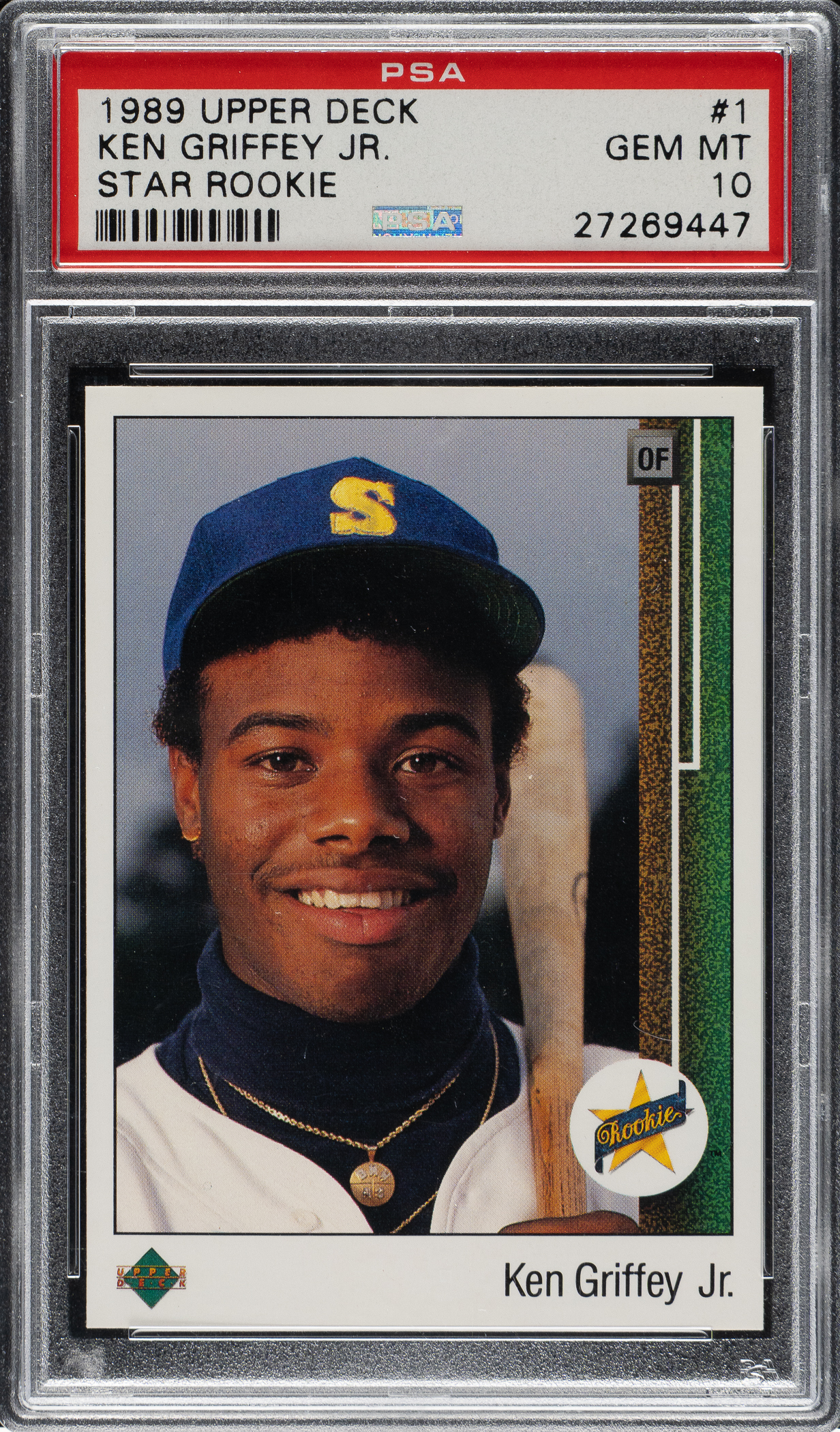
- • 1989 Upper Deck Ken Griffey Jr. #1, guide up 22% (PSA 10 pop 4,612)
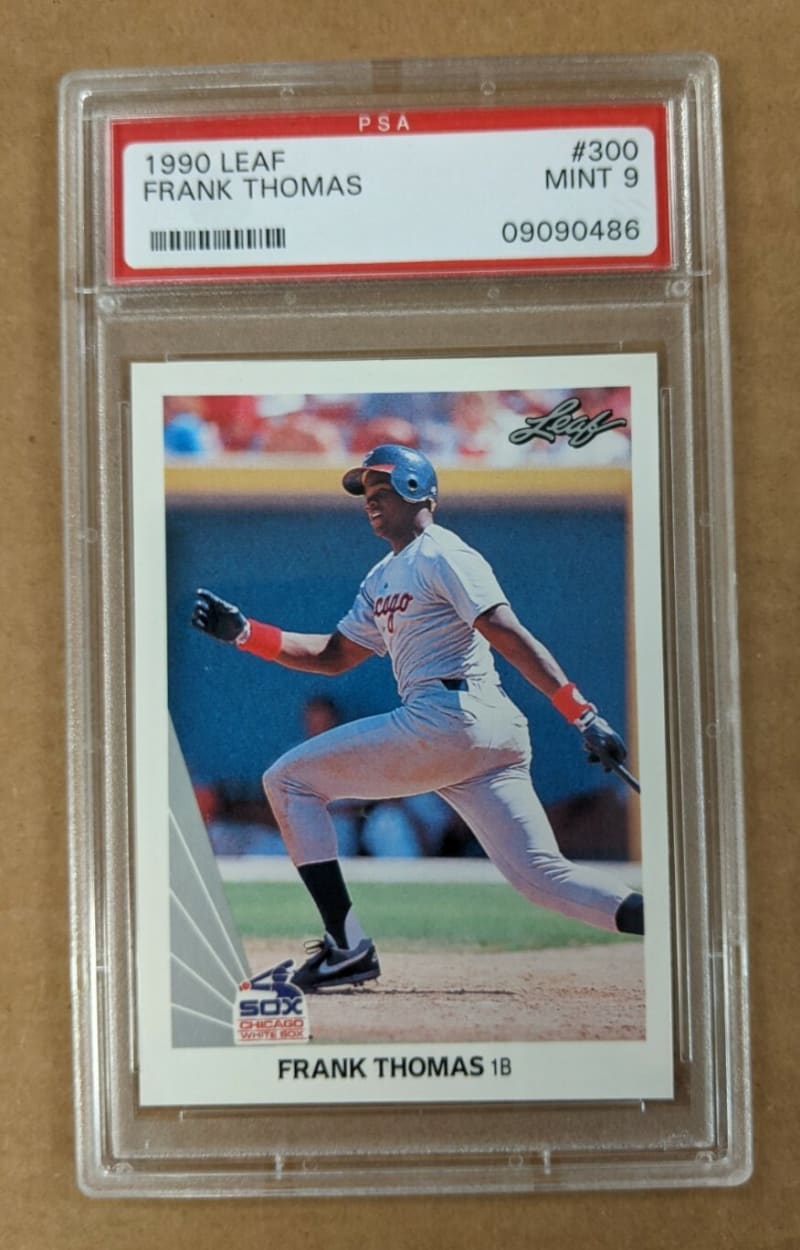
- • 1990 Leaf Frank Thomas, guide up 31% (PSA 10 pop 2,184)
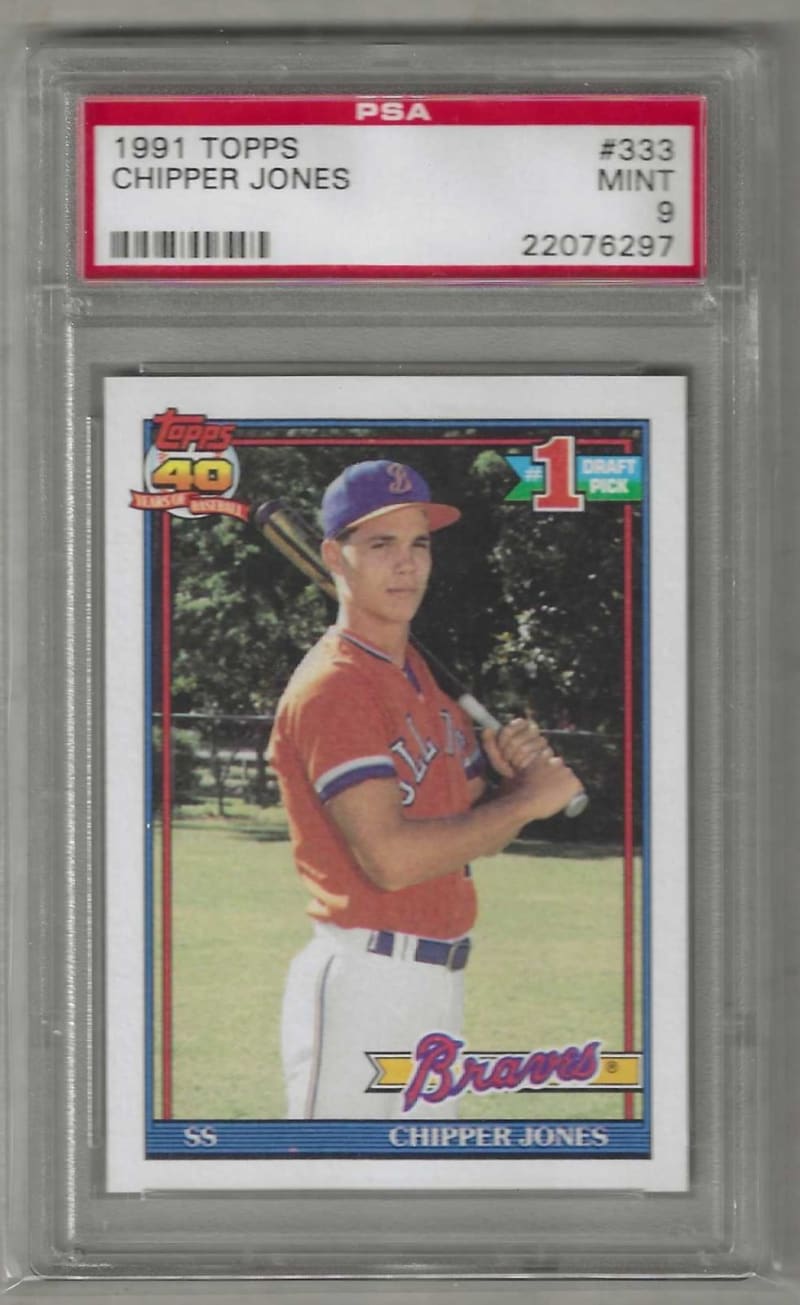
- • 1991 Topps Chipper Jones, guide up 27% (PSA 10 pop 1,733)
- • 1989 Donruss Randy Johnson RC, guide up 19% (PSA 10 pop 3,401)
Modern Bleed: Why 2020-2022 Keeps Falling
The pandemic-era boom flooded grading services with submissions. PSA processed a record 7.3 million cards in 2024, and the resulting populations ballooned. That supply is still being absorbed.
Modern rookie cards from 2020-2022 with PSA 10 populations now over 5,000 (Wander Franco, Jarred Kelenic, Spencer Torkelson) are seeing 8-15% guide haircuts as comps reset. The market hasn't hit bottom on this cohort yet.
How to Read Guide Changes Like a Pro
- Check pop deltas, not just price deltas. A guide bump on a card with rising population is weaker than the same bump with stable pop.
- Cross-reference auction comps. PSA pulls from eBay, Heritage, Goldin, REA. Outliers can drag the median up or down.
- Watch the spread. Guide is for PSA 9. PSA 10s often move 1.5-3x the guide. PSA 8s often barely move.
- Be skeptical of single-card jumps over 30%. They almost always revert within two guide cycles.
Track Real Comps, Not Just the Guide
Slugger pulls live PSA 10 sales across eBay, Heritage, and Goldin. See what's actually trading, not just what the book says.
Browse Live CompsFeatured on SluggerData
Verified sold-price comps and graded listings for the cards and players in this article. Population data is shown only when it is available in the catalog.